
Aus Tragödie wird Technologie: Eine Bitcoin-Mining-Lösung für Ugandas Mülldeponiekrise
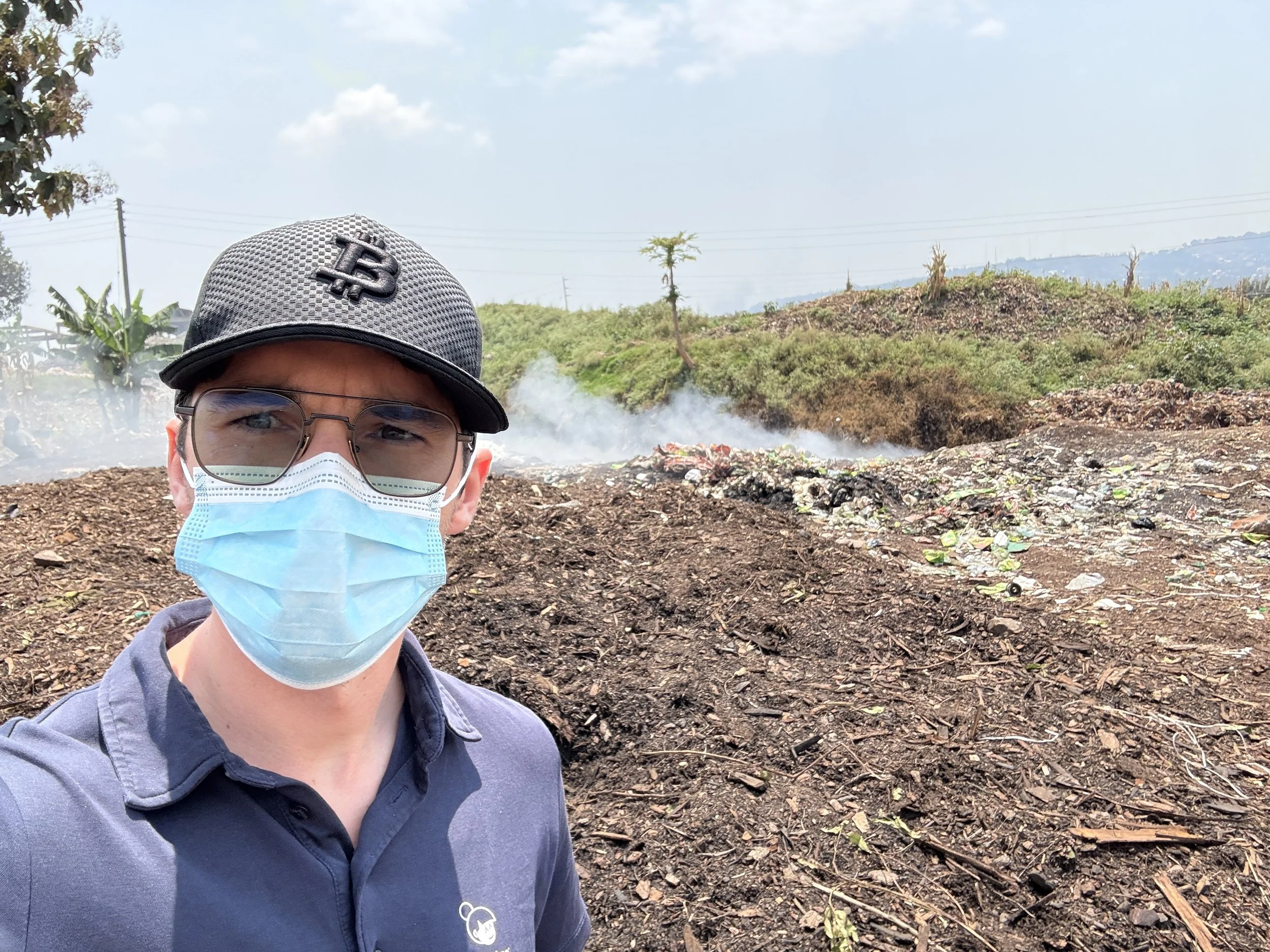
Eine kürzlich erfolgte Geschäftsreise nach Uganda, die auf eine vorherige Reise nach Äthiopien folgte, offenbarte eine dramatische Umweltkrise, die eine innovative Lösung erfordert – eine Lösung, für deren Bereitstellung ein Bitcoin-Mining-Unternehmen in einzigartiger Weise positioniert ist. Der Fokus verlagerte sich nach Uganda, nachdem sich dort eine tragische Katastrophe ereignet hatte: Der Einsturz einer großen Mülldeponie in der Hauptstadt Kampala, bei dem 35 Menschen ums Leben kamen. Dieser verheerende Vorfall wurde als „Versagen der Politik und der Regulierungsbehörden” und als „vorhersehbare Katastrophe” bezeichnet, was die dringende Notwendigkeit einer neuen Abfallwirtschaftsstrategie unterstreicht.
Uganda's Energy and Waste Conundrum
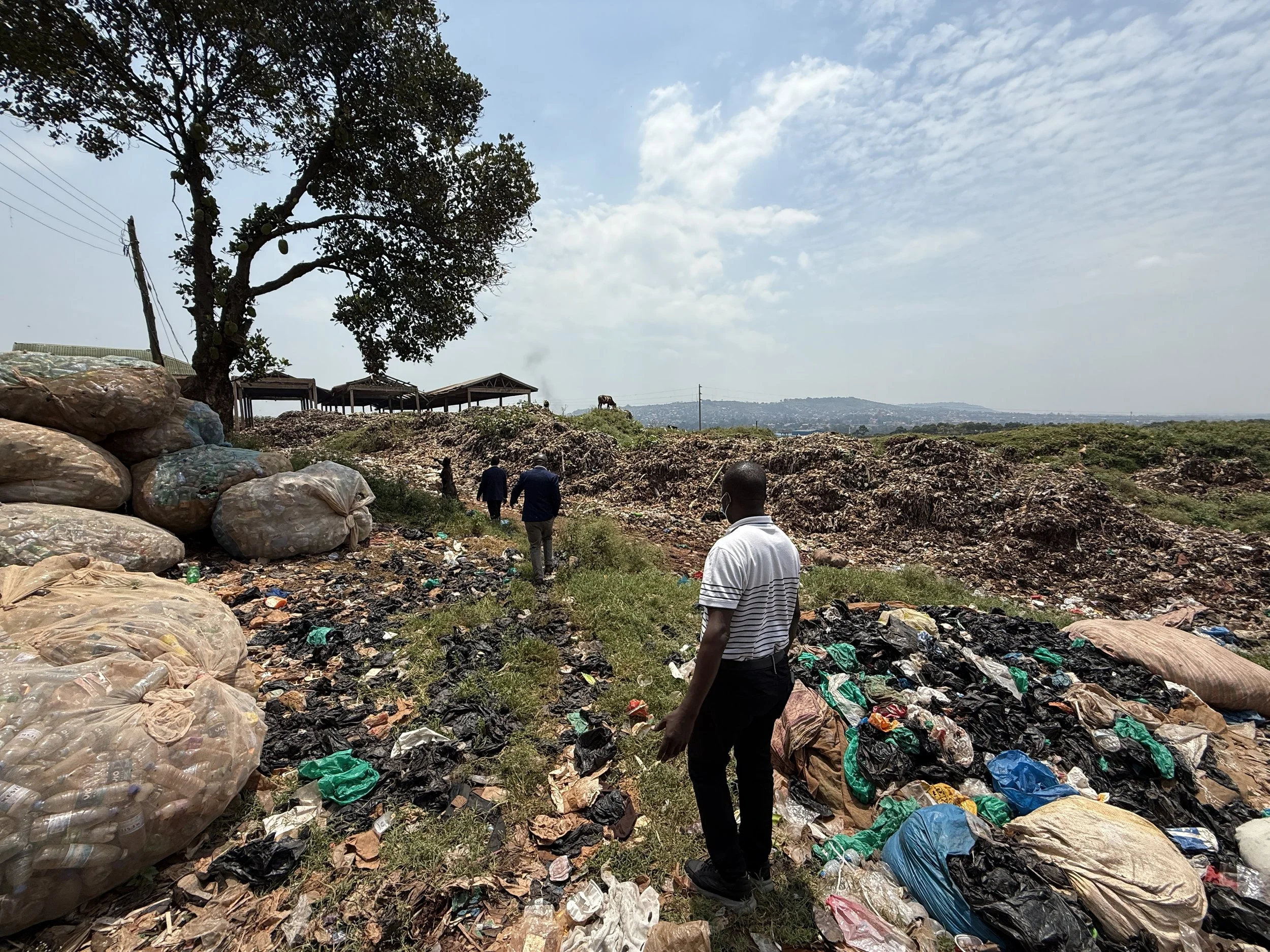
Uganda, much like Ethiopia, faces the challenge of an energy surplus, particularly from hydropower, as the Nile River originates in the country. This abundance of power often leads to grid balancing issues and potential blackouts. Simultaneously, Kampala alone generates around 2,000 tons of waste daily, which is largely deposited in open landfills.
The existing waste management system is insufficient, marked by poor infrastructure, lack of data, and a reliance on practices like open dumping and burning that exacerbate pollution and disease.
A Bitcoin-Powered Clean Energy Vision
The solution proposed is a Waste-to-Energy (WtE) model utilizing Plasma Gasification technology. This process, which is highly innovative and used in countries like the US and Japan, offers a radical shift from conventional incineration:
Near-Zero Emissions: The waste is subjected to extremely high temperatures (over 1,500 degrees Celsius) using plasma torches.
Energy Production: This converts all organic and non-organic material into a synthetic gas (syngas), which is then cooled, cleaned, and used to power a turbine to generate electricity.
Byproduct Utilization: The small amount of unburned residue exits as molten glass, which can be broken down and used as a construction material.
The key difference from traditional waste management is the integration of Bitcoin mining. A single WtE unit, processing about 50 tons of waste daily, can generate 3–5 Megawatts of electricity. A pilot project using three such units could process 150 tons daily, yielding 12–15 MW of continuous power, enough to run approximately 4,500 standard Bitcoin mining machines. This allows the miners to consume the excess energy generated from waste that the national grid cannot handle.
The Financial and Social Model
The estimated cost of the pilot project stands at approximately $50–$60 million. The economic viability of the project hinges on a mixed waste stream:
Revenue Generation: Tipping fees are expected from "Medical Waste" (hospital refuse), for which private collectors currently pay up to $350 per ton to dispose of safely. By offering a lower price of, for instance, $300 per ton, the project creates an instant revenue stream.
Strategic Support: Plastics, paper, and rubber – the best materials for high gas yield—would be sourced from the informal waste collector community. To avoid damaging their existing livelihoods, the project would offer them a slightly higher price than local recyclers, essentially compensating them for supplying the resource.
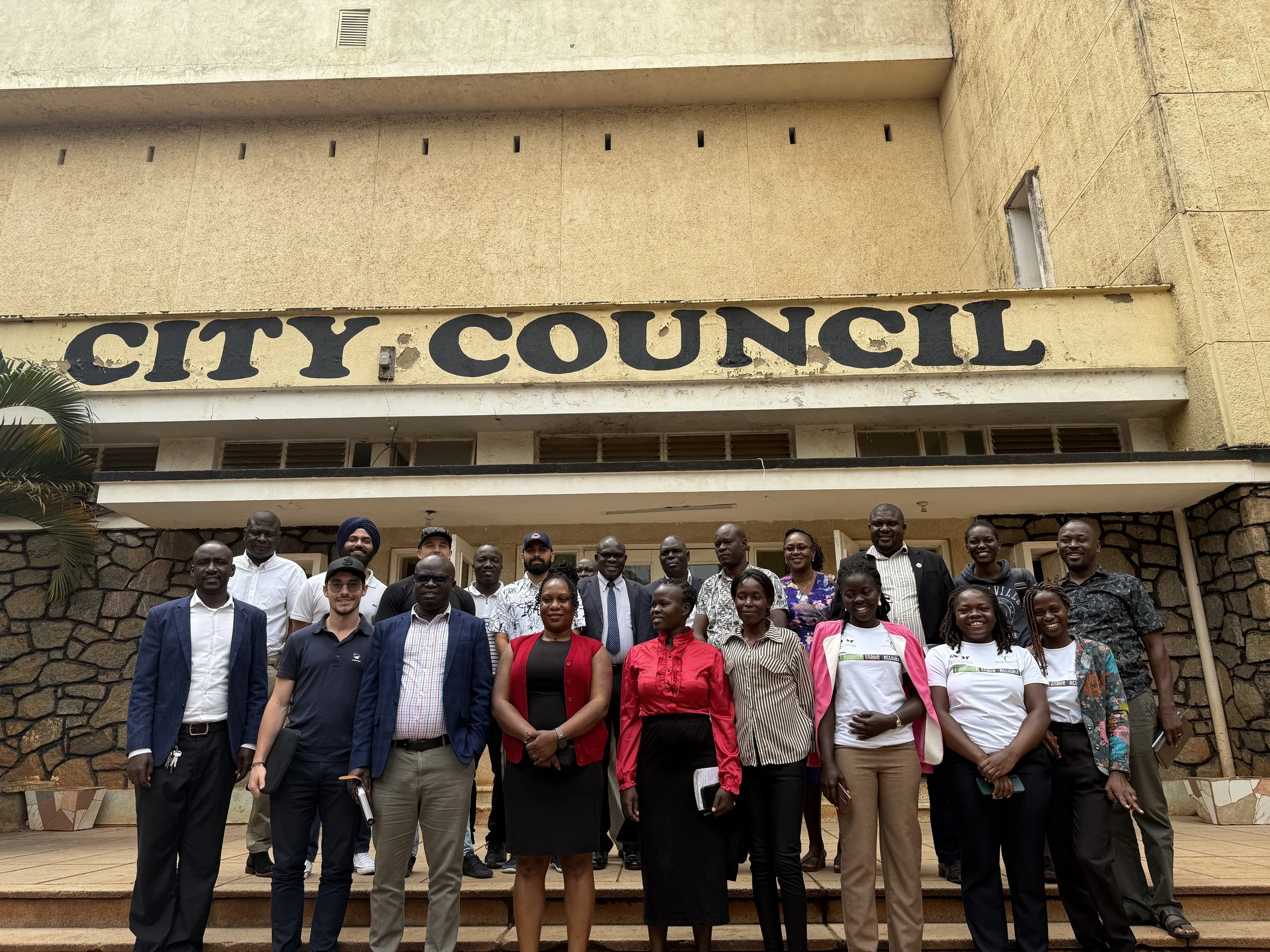
This approach addresses a critical need in Uganda – a country that would be the first in Africa to deploy this particular WtE technology. Local authorities, including a professor from a local university who had previously published a paper on the exact technology, have expressed immense enthusiasm, seeing it as a tangible solution to their long-standing crisis.
Ultimately, this venture aligns with the company's core mission – a "Pact of Empathy" (Age of Amity) – to use technology like Bitcoin mining not just for profit, but to bring infrastructure, stability, and education to developing regions. The goal is to ensure a portion of the Bitcoin revenue is reinvested into local social projects, such as supporting education and local infrastructure, thereby demonstrating how Bitcoin can be a force for positive social change.