
Is the Bitcoin Debate Club Coming?
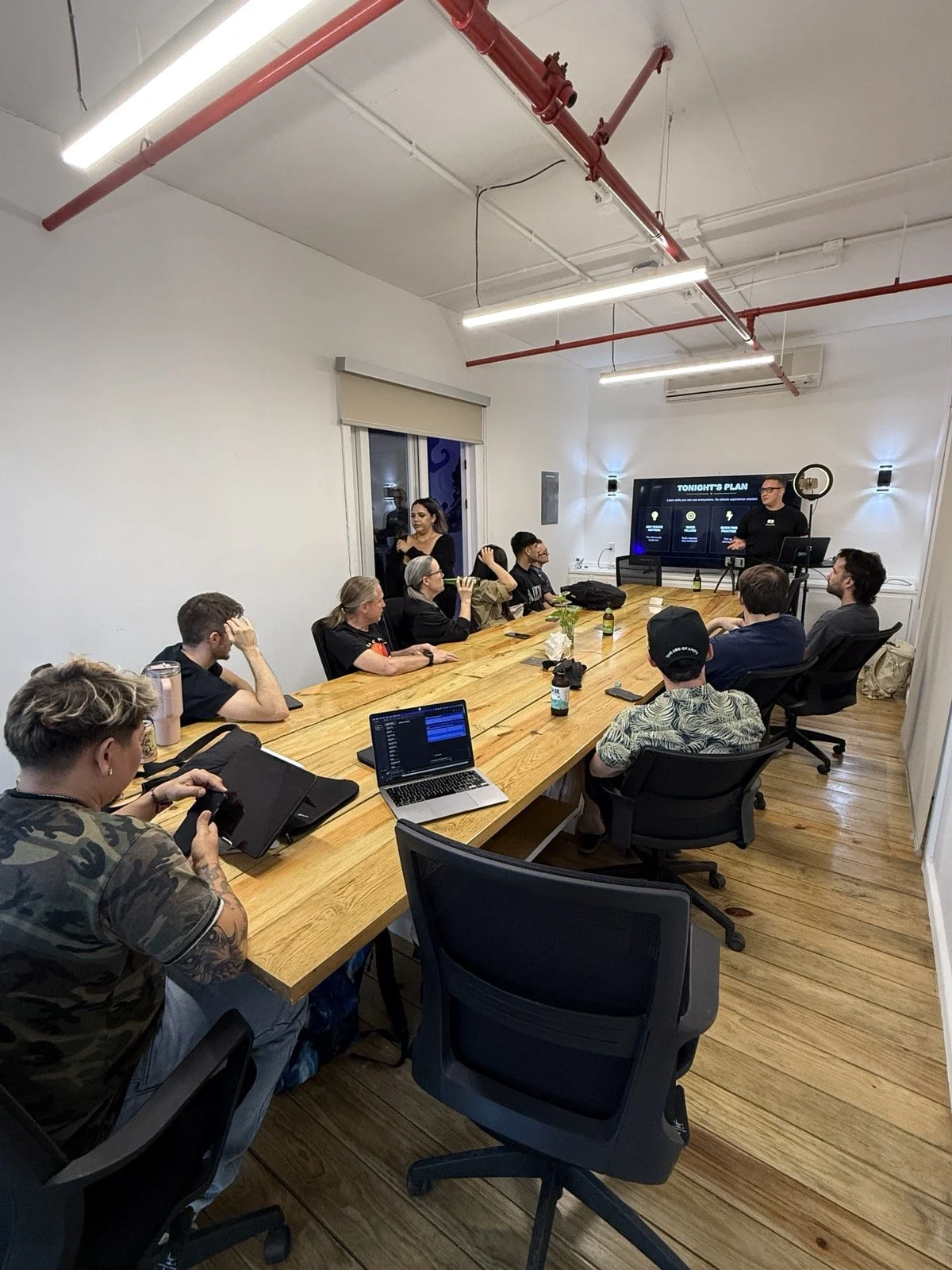

One of the sessions at our three-day Bitcoin Educators Academy (BEA) is about handling objections. We practice something that is far from obvious. When an argument comes up, we learn not to react immediately. Not to jump into persuasion, but first to check and understand what the other person is actually saying.
Think about it: how many times have you started explaining, arguing, or refuting someone’s point before they even finished their thought? And if you managed to rise above your ego and try to listen, did you say “I understand you” without verifying that you truly understood them correctly?
It was with this mindset that I arrived at a two-day debate workshop (the third day was a debate competition). Honestly? I didn’t go in with excitement, more with skepticism.
I thought it would be mostly about argumentation, the part we’re naturally better at than listening. I pictured quick responses, sharp counterarguments, and looking for weaknesses. A training in how to “win” a dispute. In contrast to the Bitcoin Educators Academy, where we deliberately learn to slow down, listen, and understand, this felt like the opposite extreme.
I wasn’t excited about the idea of learning how to “tear someone down” with arguments. Still, I told myself: “Okay, give it a chance.”. Even the ability to state arguments clearly and firmly is always useful.
My quiet objection was addressed upfront. A debate is not arguing. Arguing is often fast, emotional, and reactive. A debate is slower, deliberate, and structured. And that’s exactly what won me over. From mild skepticism, I shifted into the position of an observer, wanting to understand how it actually works.
On the screen appeared a simple argument structure: Claim –> Warrant –> Impact.
Claim – what I am asserting
Warrant – why I assert it (logic, evidence, explanation)
Impact – why it matters
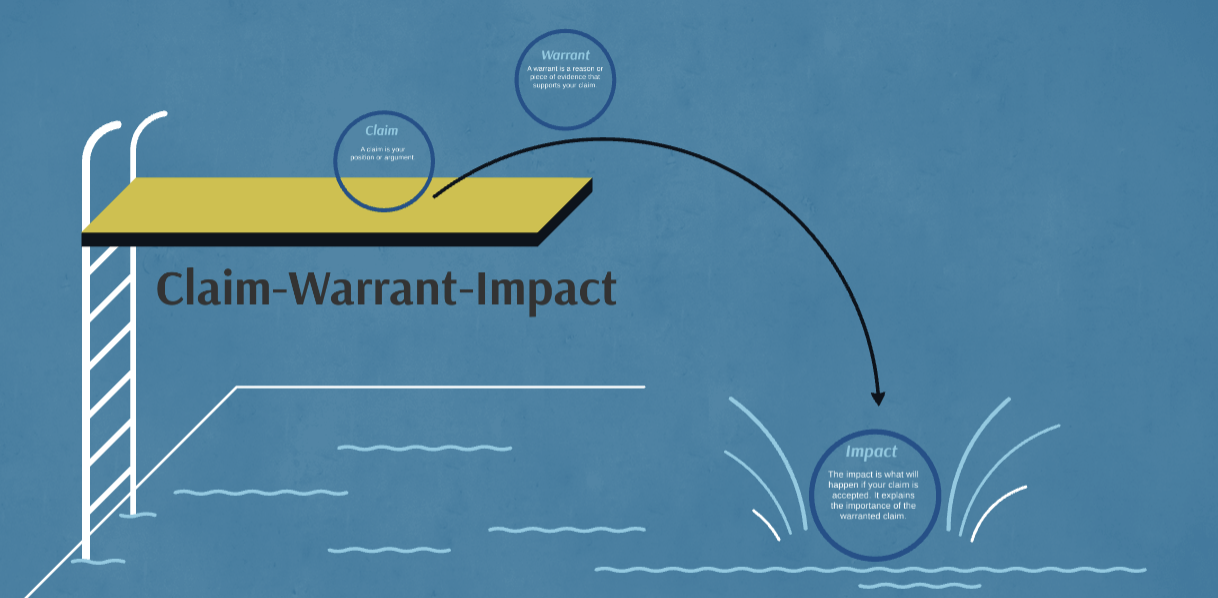
Structure of Argument: Claim –> Warrant –> Impact
Even though my skepticism faded, I wanted to see this structure in practice on real examples. As if reading my mind, several examples appeared immediately, including one from the world of Bitcoin, “Bitcoin in developing economies”.
"Bitcoin adoption is doing more harm than good in developing economies because the price volatility exposes the people who can least afford losses to catastrophic financial risk, and the energy costs of mining divert resources from infrastructure that these communities desperately need, meaning the countries that adopt Bitcoin fastest may actually widen their wealth gap instead of closing it."
As Bitcoiners, our minds immediately filled with counterarguments. But the task was clear. First, dissect the argument structure: claim, Warrant, Impact (highlighted in color).
This structure became a sort of framework for the practical part. I realized how many everyday discussions end at the first step. People state a claim, but lack a warrant. Or they express an opinion but never explain the impact. On paper, it seems trivial. But when you have 60 seconds to respond, this structure is a lifeline.
Then came the practical exercise, a “Quick Fire Round”. The instructions were clear. Pair up, pick a topic, pick a side (Person A argues FOR, Person B argues AGAINST), 60 seconds each. GO!
We handled the first part without problems, finding a partner and choosing from the pre-prepared topics. We picked “Living in a new city is better than staying where you grew up”. Struggling with a foreign language and a new framework, I also struggled with representing Person B, arguing against the statement, which I didn’t personally agree with. In my head, it was always a claim –> warrant –> impact. That structure was truly my lifebuoy. I don’t remember exactly what I said, but I know what fascinated me.
Imagine a simple topic, “Dogs are better companions than cats” and as a dog lover, you have to argue AGAINST. For the first 60 seconds, you listen to the other side’s arguments and silently agree. Then it’s your turn. The first ten seconds of silence feel endless. You’re searching for at least one argument for cats. But after a few rounds, something shifts. Your brain switches into creative mode. Suddenly, you find arguments you wouldn’t have thought of before. Cats are independent. They don’t need walking. They are practical in an apartment. They catch mice. And some of these arguments even make sense to you. This doesn’t mean you changed your opinion. It means you could see the topic from a different perspective.
And what was harder for me than finding arguments? Avoiding the handling objections habits I know from Bitcoin Educators Academy, trying to understand, verify, and explore fears and concerns. Here, we were expected to do something different. Preemption, naming an objection before it arises, and refutation, responding directly to the other side’s argument. And doing so while remaining calm and structurally composed.
What handling objections and debating have in common is acknowledgment of the other side and voice control. First, recognize the point: “That’s a fair point”. Then respond. Speaking too loudly feels weaker, not stronger. I loved discovering the power of a deliberate pause before answering. Slower speech feels stronger.
I left the first day full of impressions I needed to process, and we weren’t even done yet.
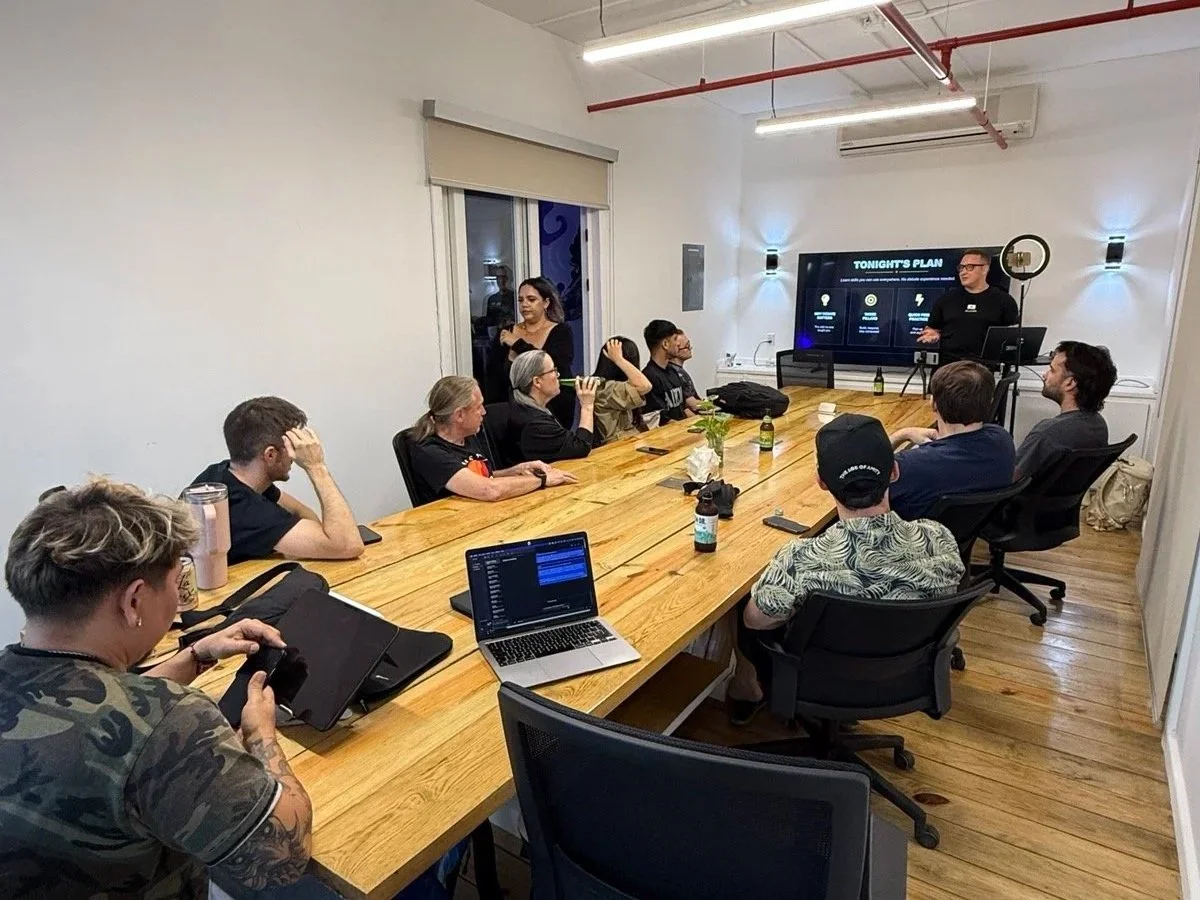
Debate Workshop Round 1
The second day was preparation for Friday’s debate competition. To understand the structure of a debate, not the internal argument structure (claim, warrant, impact), we examined the different phases. Suddenly, it started to feel more like chess than a debate.
The first phase is Constructive. You present your main arguments and frame the debate. It’s not about saying as much as possible. The goal is to clearly and understandably communicate what you claim, why, and why it matters (claim, warrant, impact). Two strong, clearly explained points are better than five half-formed ones. If you frame the debate, the other side reacts to you. If they frame it, you spend the evening defending.
Another interesting point, we learned to bring up the strongest objection from the other side before they even say it. Take their “best weapon” and calmly dismantle it. A proactively handled objection is something we also practice in Bitcoin Educators Academy, in the handling objections session.
Next comes Cross-Examination. This phase isn’t about speaking. It’s about questions. Short, precise questions. Ideally answerable with yes or no. The goal is not to attack, but to expose weaknesses or ambiguities in the other side’s argument. You learn to hold the question and not get talked over.
Then comes Rebuttal, responses, and counterpoints. Here you address what was said. Pick the important points. Explain where the other side is wrong while staying calm. And the hardest part? Being concise. Long responses give the other side ammunition. Short, calm responses take the wind out of their sails. Something we also practice at Bitcoin Educators Academy in public speaking. The magic of short sentences is incredible.
Looking back, the second day showed me that a debate is not about who is louder or faster. It’s about who can work best with structure, who knows when to build, when to question, and when to close a round. And paradoxically, the more precise the rules, the more room there is for creativity.
At that moment, I realized this is not the opposite of what we learn at Bitcoin Educators Academy. It’s complementary. There, we learn not to react impulsively, but first to understand. Here we learn that once we respond, we should do so in a way that is precise, composed, and intentional. Not to “tear down” the other person, but to stand firmly in what we say.
The big day arrived, the debate championship. A one-evening tournament during the Infinite Games Festival at Próspera, Roatan, Honduras. An evening of structured debate rounds with a live audience and $850 in $LIVES prizes, where sharp arguments met a live audience.

Championship Evening
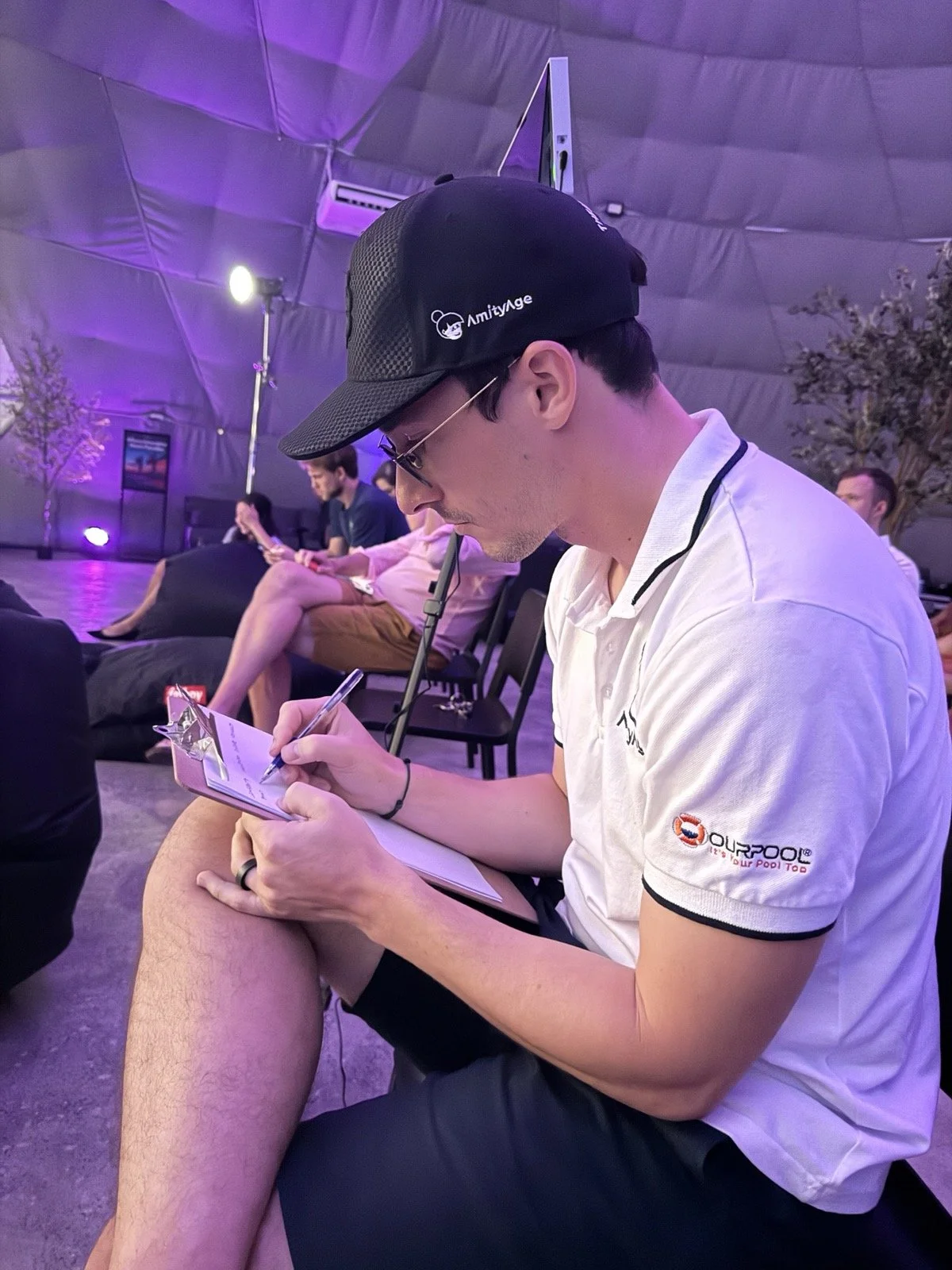
Debaters went to put theory into practice. Anyone could sign up, even those who hadn’t attended the workshop, and several did. Most likely, they already had some debate experience. For those without experience, it was a real challenge. Dušky, co-founder of AmityAge and designer of our Bitcoin Educators Academy, also decided to participate. He began to enjoy debating.
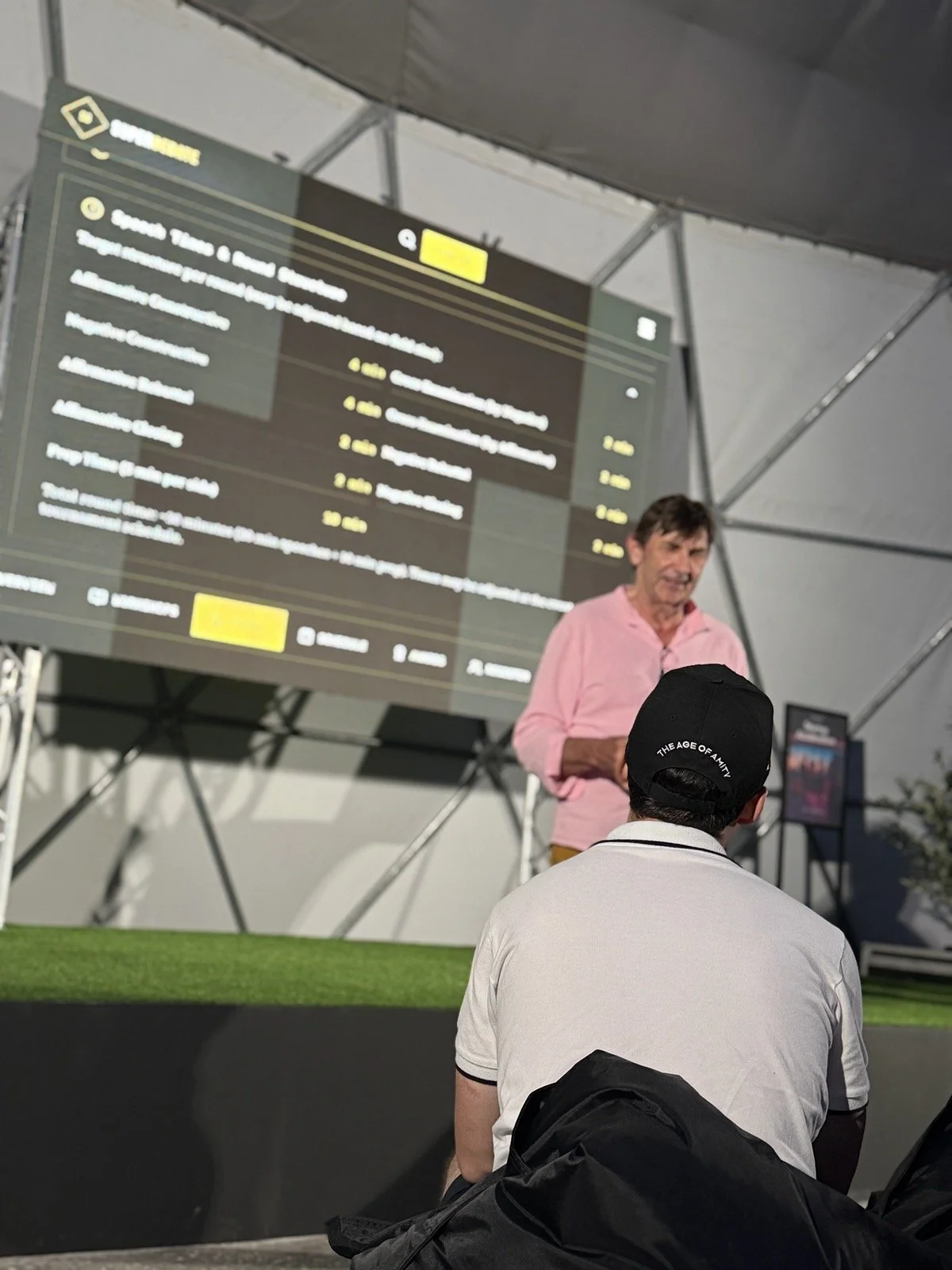
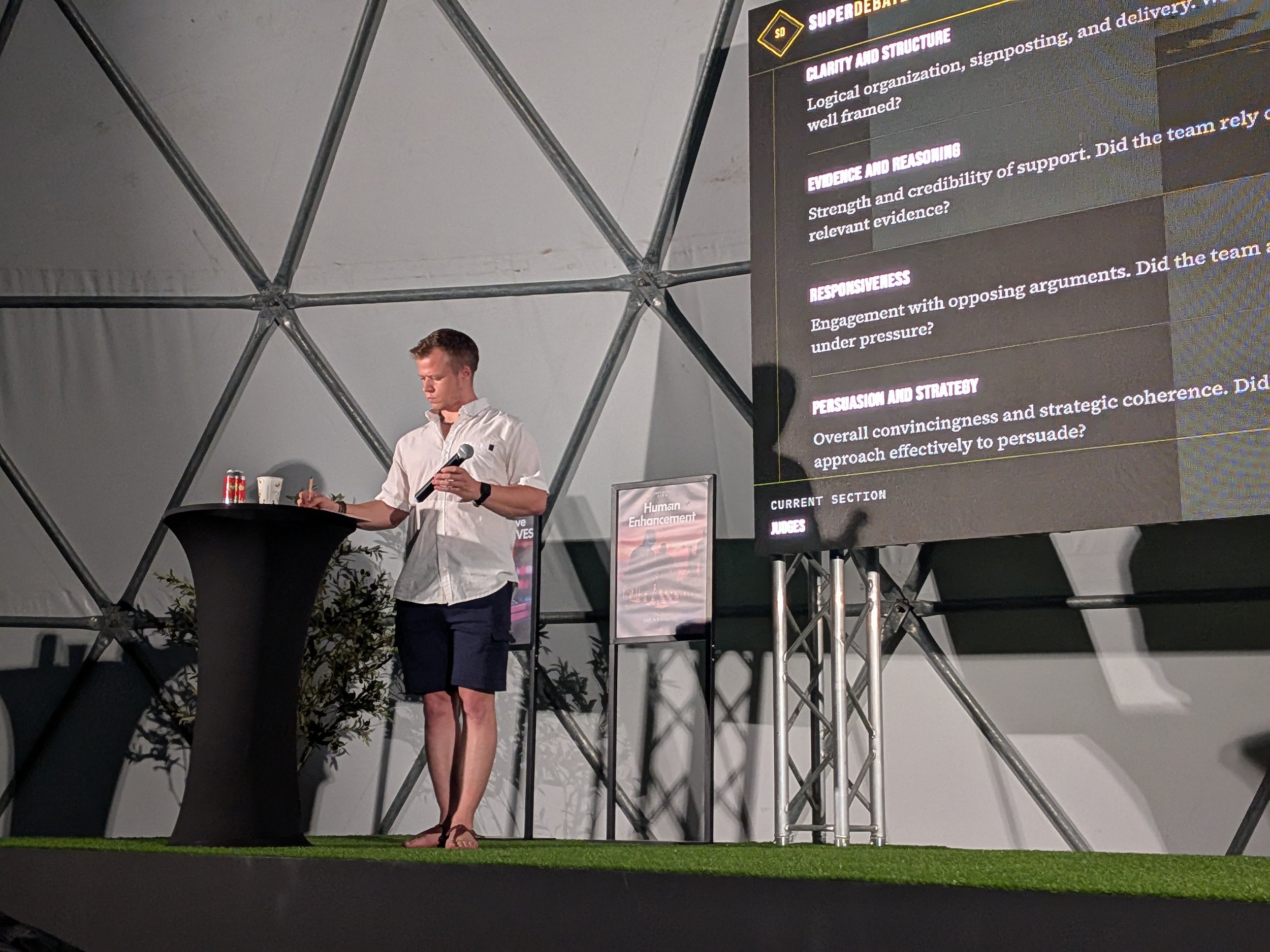
The moderator was John Connor, founder of Superdebate and previous workshop instructor. He also served as a judge. A judge’s role was to evaluate debaters according to pre-defined criteria that they should focus on during the debate.
Scoring criteria:
Arguments – logical structure and reasoning quality
Refutation – ability to respond to the opponent
Evidence – use of facts and examples
Delivery – clarity, confidence, persuasiveness
Organization – structure and time management
Persuasion – overall ability to engage and convince
There were three judges, so three debates ran in parallel (Person A, Person B, Judge). Four debate rounds were held in total. In the first two rounds, debaters earned points from judges. Those with the highest scores advanced to the semifinals and then the final.
It was fascinating to see how differently I perceived the debates and the debaters individually. Often, a confident appearance didn’t reflect the actual quality of arguments, refutations, evidence, delivery, organization, or persuasion. Frequently, the person I thought “won” was not the same as the highest-scoring judge’s choice. So debating is not just a skill, it’s also about scoring and understanding the judge’s perspective.
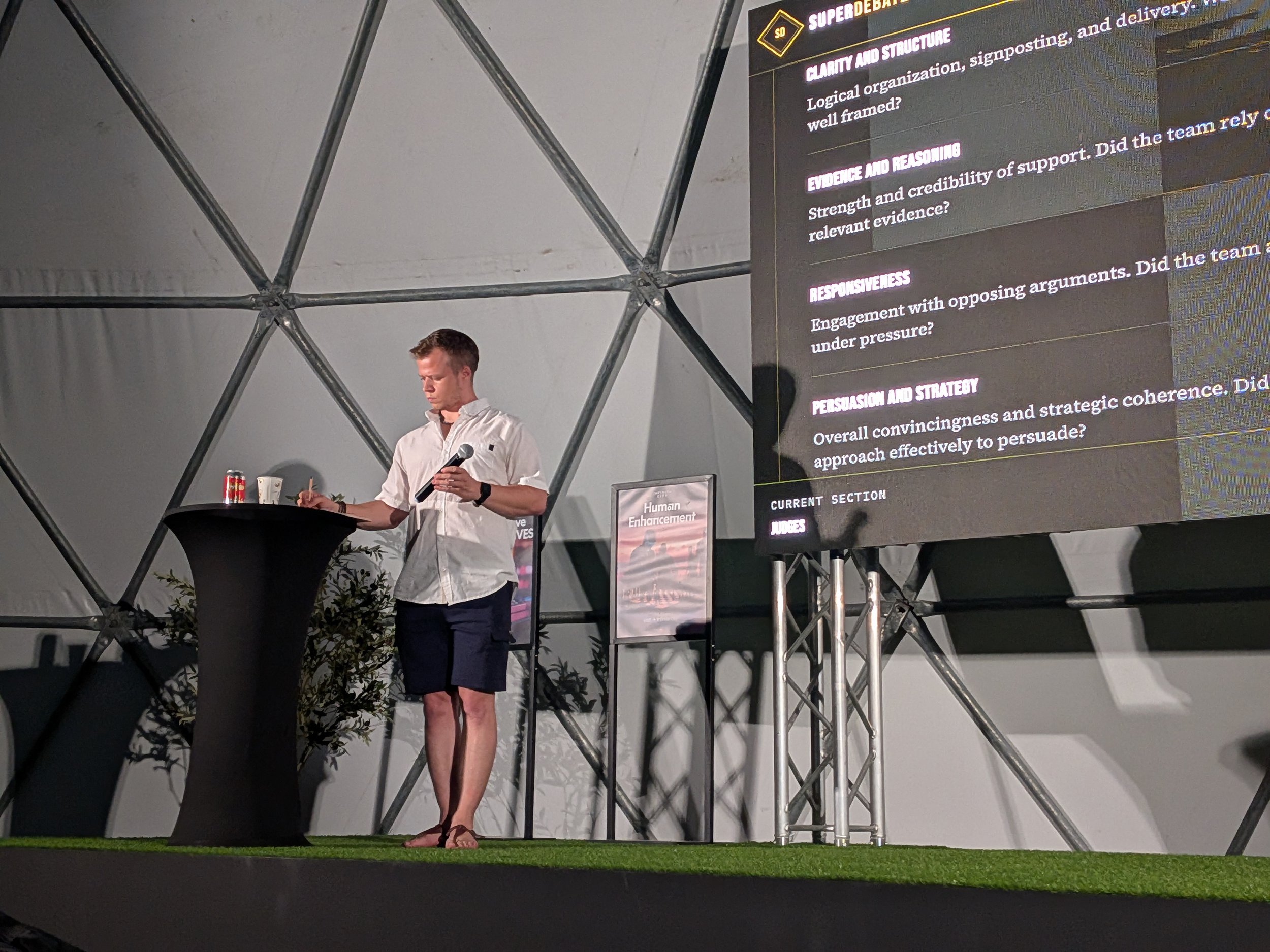
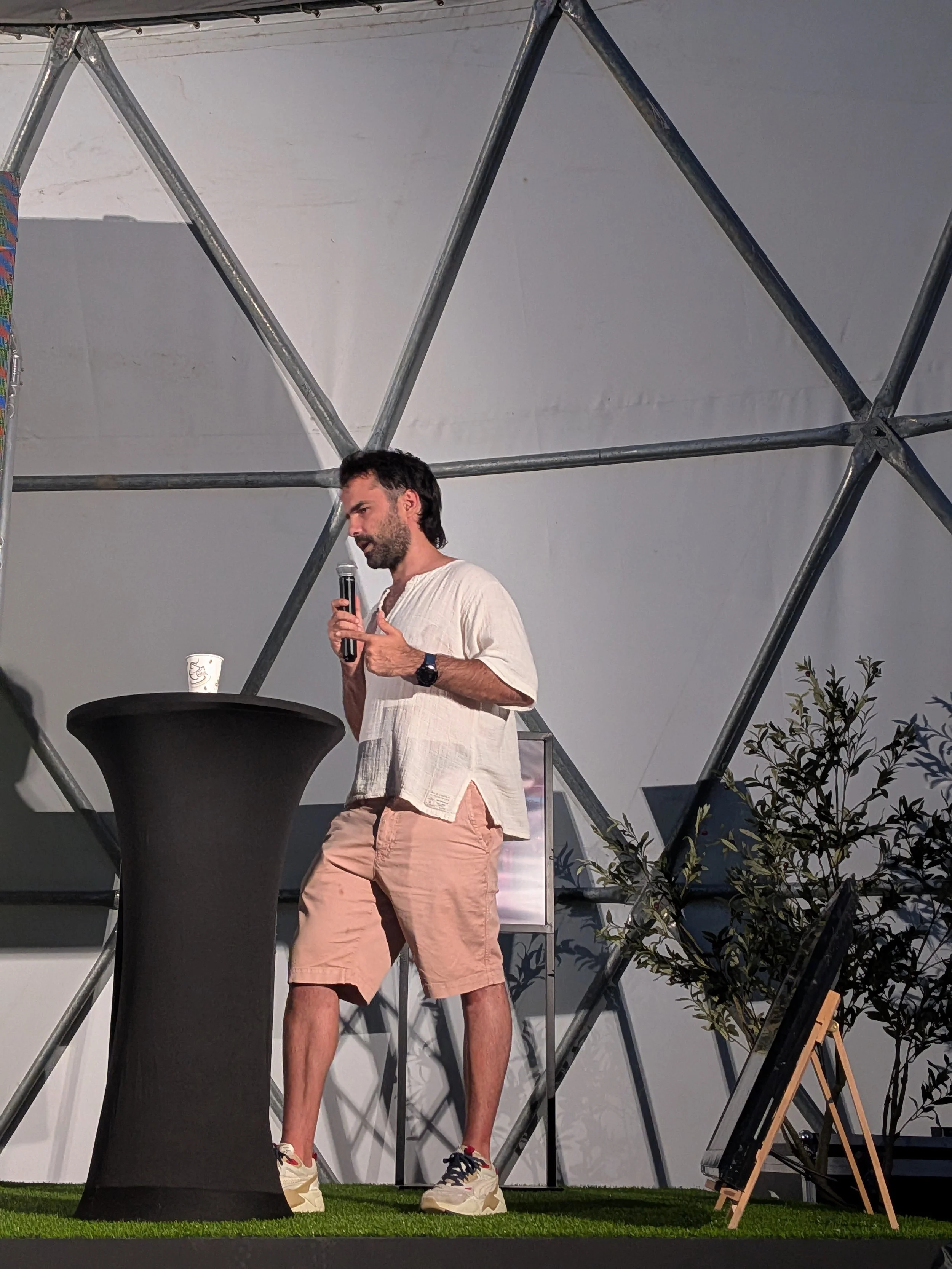


John always announced the debaters’ names and the topic at the start of each round. There were five topics covering technology, policy, and local issues:
Bitcoin adoption in developing economies
Technology progress vs. environmental sustainability
The healthspan narrative: extending quality of life
AI safety and governanceRoatan spay/neuter initiative and local animal welfare
Topics were repeated, and it was fascinating to see how the same topic developed completely differently in different hands.
Each debate round had a structured format: Constructive, Cross-Examination, Rebuttals, and Prep Time – 5 minutes per side (10 minutes total, usable between speeches).
What did a debate actually look like? (check the picture)
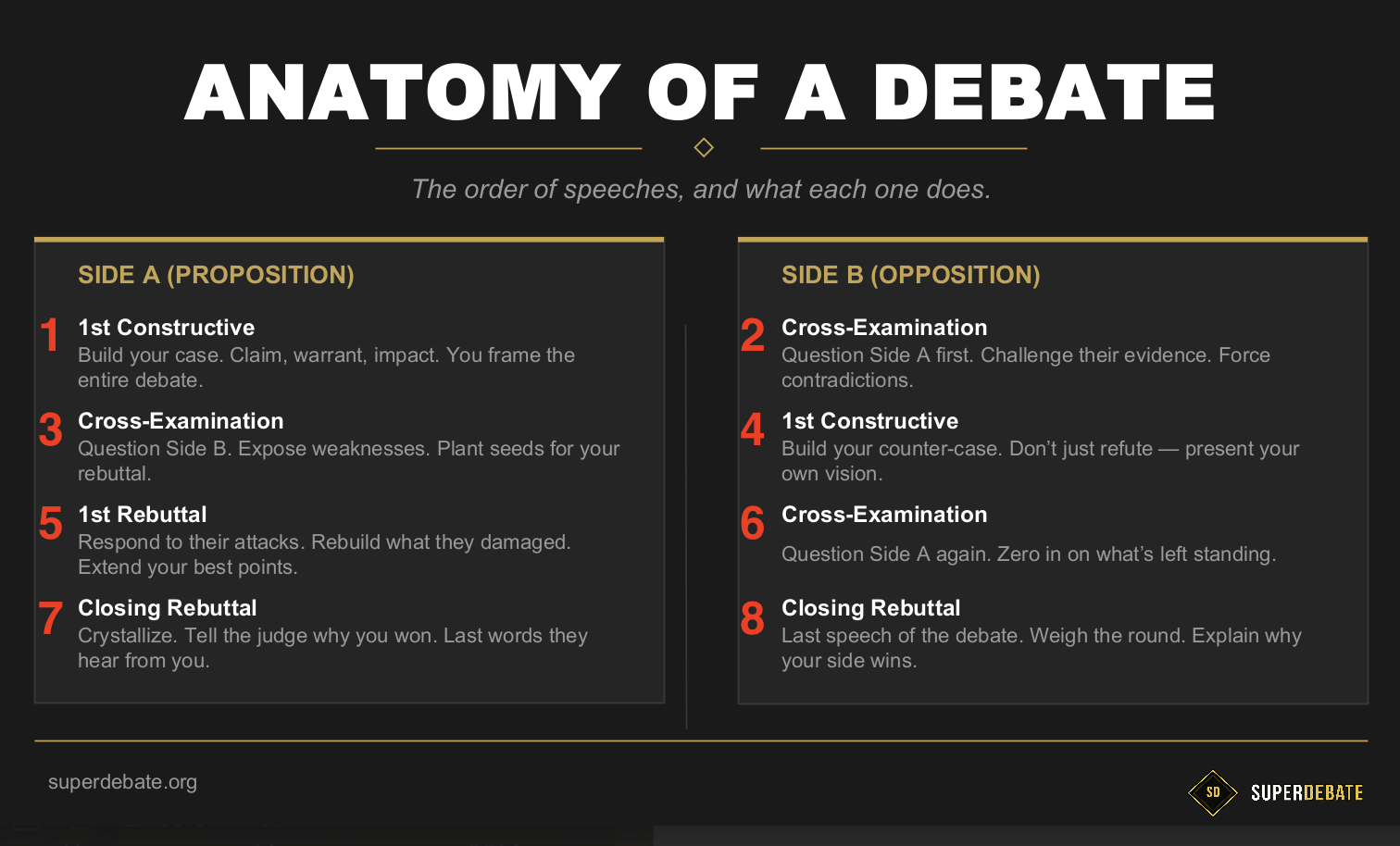
Anatomy of a Debate
You might think every debater starts with phase one – Constructive. The opposite is true. Person A begins with the 1st Constructive, but Person B moves next with Cross-Examination. Follow the numbers in the table to see how the phases alternate. Now you understand why a debate can feel like chess.
Dušky didn’t win the final, but he won both rounds he participated in. It came down to points. Who knows if his motivation would have been higher if the prize had been in Bitcoin? We’ll never know :).
For the final debate, the topic was “Bitcoin in developing economies”. In my mind, I thought: “There’s nothing to debate. Clearly, Bitcoin is good for developing countries.” From the start, I saw Side A (Proposition), as favored. And guess what? I guessed the winner wrong again. Side B (Opposition) won.
Side A ( Proposition)
Sometimes, even a topic that aligns with your beliefs doesn’t mean that side will automatically win.
The takeaway? In two days, I didn’t become a professional debater, and that wasn’t the goal. For me, it was the experience of participating in a workshop, trying something new. And also as a spectator on the third day, seeing the competition itself. Observing the same structure under time pressure and in front of an audience was completely different from small-group practice.
I still believe that in a conversation with a complete beginner (e.g., about Bitcoin), it’s crucial to first understand their concerns. Debate isn’t a tool to “win over someone.” It’s a powerful tool for clearer thinking, better articulation of ideas, handling difficult questions, and negotiation.
The biggest takeaway for me? Disagreement is not an attack. And the ability to structure your thoughts is a skill that can be trained.
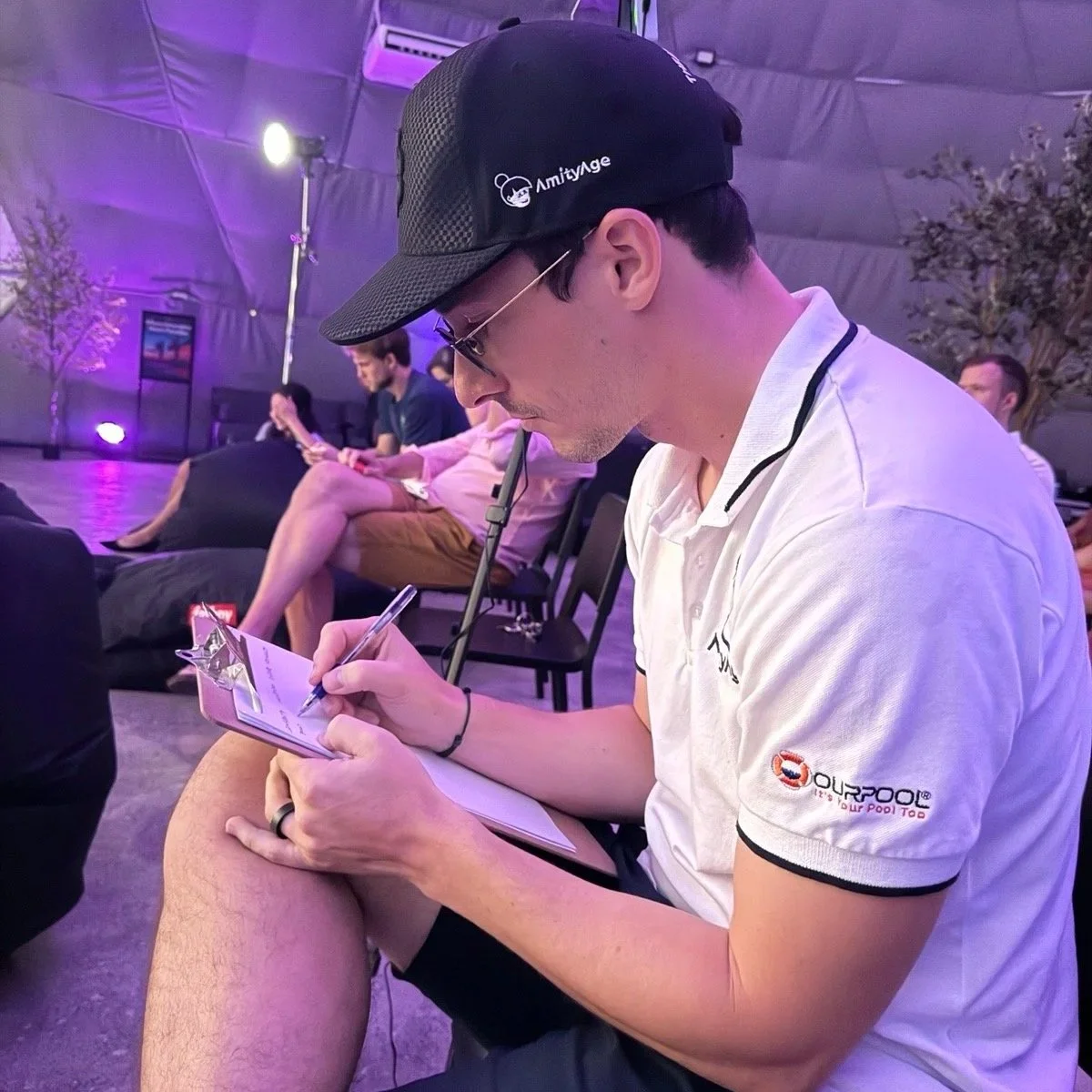
Dušky is preparing for the first debate round
Handling objections teaches me to stay calm and listen. Debate teaches me to respond clearly and constructively. While different skills, together they create a much stronger foundation for any challenging conversation.
Debate also put me in the mode we naturally gravitate toward, defending a position, responding quickly, spotting weaknesses in the other side’s argument. And although it initially felt like a “battle”, in reality, it was a discipline of thought exercise.
So start practicing yours too, through Bitcoin Educators Academy or debating. Join the BEA Telegram info chat or the Superdebate platform debate club (X: @SuperDebateClub). Perhaps soon there will be a Bitcoiners’ debate club as well ;)
